How to Drill Acrylic Sheet Safely: A Complete Beginner's Guide

Informational

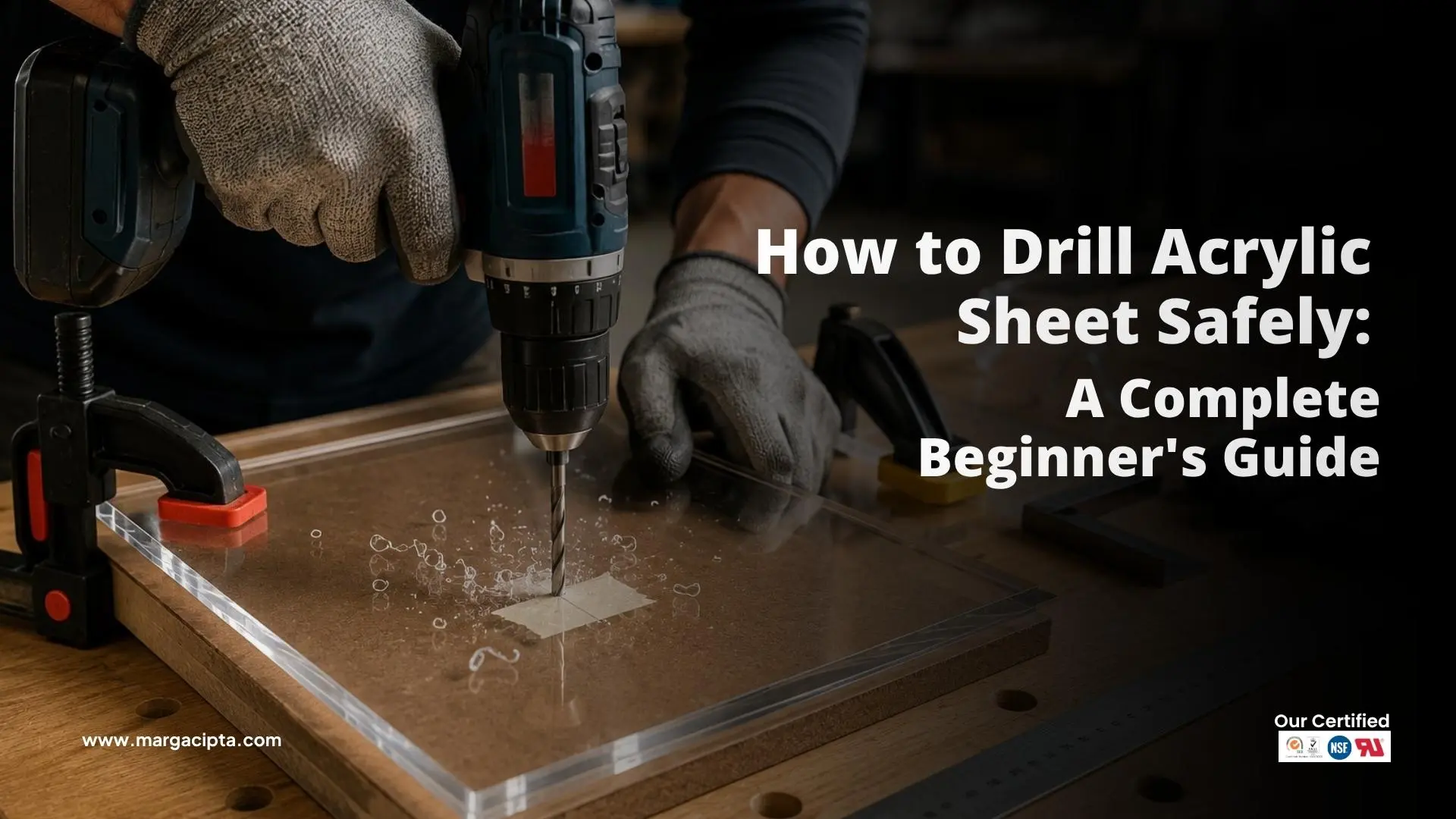
The safest way to drill acrylic sheet is by using the correct drill bit, applying light pressure, and supporting the material properly to prevent cracking or chipping. 

Whether you're fabricating signage, display stands, furniture, or decorative products, proper drilling techniques help achieve clean, accurate holes while preserving the quality of the acrylic.

Fortunately, drilling acrylic is straightforward when the right tools and methods are used.

Can You Drill Acrylic Sheet?

Yes. Acrylic sheets can be drilled successfully using standard drilling equipment, provided the correct technique is followed.

Unlike glass, acrylic is easier to machine and fabricate. However, improper drilling can create stress that leads to cracks or chipped edges.

Using suitable tools and maintaining proper drilling speed greatly reduces these risks.

Read also: Why Does Acrylic Turn Yellow? Causes and Prevention

Tools You'll Need

Before starting, prepare the following:

  • Power drill or drill press
  • Acrylic-compatible drill bit
  • Clamps
  • Wooden backing board
  • Safety glasses
  • Measuring tools and marker

A stable setup helps improve drilling accuracy and protects the acrylic during the process.

Step 1: Mark the Hole Location

Measure carefully and mark the drilling point.

Using masking tape over the drilling area can help improve visibility and reduce surface chipping.

Step 2: Support the Acrylic

Place the acrylic sheet on a flat wooden backing board.

This supports the material and minimizes vibration while drilling.

Never drill acrylic while it is unsupported.

Step 3: Use the Correct Drill Bit

Using an appropriate drill bit is one of the most important factors in preventing cracks.

Specialized acrylic drill bits or modified plastic drill bits typically produce cleaner holes than standard metal drill bits.

Sharp tools also help reduce stress on the material.

Step 4: Drill Slowly

Apply gentle, consistent pressure while maintaining a moderate drilling speed.

Avoid forcing the drill through the acrylic.

Allow the drill bit to remove material gradually rather than generating excessive heat.

Step 5: Finish Carefully

As the drill bit approaches the exit side of the acrylic, reduce pressure even further.

This helps prevent chipping when the hole is completed.

After drilling, remove any dust and inspect the hole for smoothness.

Common Mistakes to Avoid

Many acrylic drilling problems can be prevented by avoiding these common mistakes:

  • Drilling too quickly
  • Applying excessive pressure
  • Using dull drill bits
  • Skipping the backing board
  • Drilling too close to the sheet edge
  • Using damaged or low-quality acrylic

Careful preparation greatly improves the final result.

Why High-Quality Acrylic Matters

Material quality influences fabrication performance.

Premium cast acrylic sheets generally provide:

  • Consistent thickness
  • Better machining characteristics
  • Cleaner drilling results
  • Reduced risk of cracking
  • Professional-quality finishes

Marga Cipta manufactures premium cast acrylic sheets suitable for drilling, laser cutting, CNC machining, engraving, and custom fabrication.

Read also: Laser Cut Acrylic Sheet: Benefits, Applications, and Design Tips

Conclusion

Learning how to drill acrylic sheet safely helps prevent cracks while producing clean and accurate holes for fabrication projects.

By using the right drill bit, supporting the material properly, and drilling at a controlled speed, both beginners and professionals can achieve reliable, high-quality results.

Fabricate with Confidence Using Marga Cipta Acrylic

Marga Cipta offers premium cast acrylic sheets designed for machining, drilling, laser cutting, engraving, and custom fabrication.

For inquiries or orders, email info@margacipta.com.

For product information, inspiration, and the latest updates, follow Instagram @margacipta.

News Release

What is Satin Acrylic? A Complete Guide to Its Look and Function

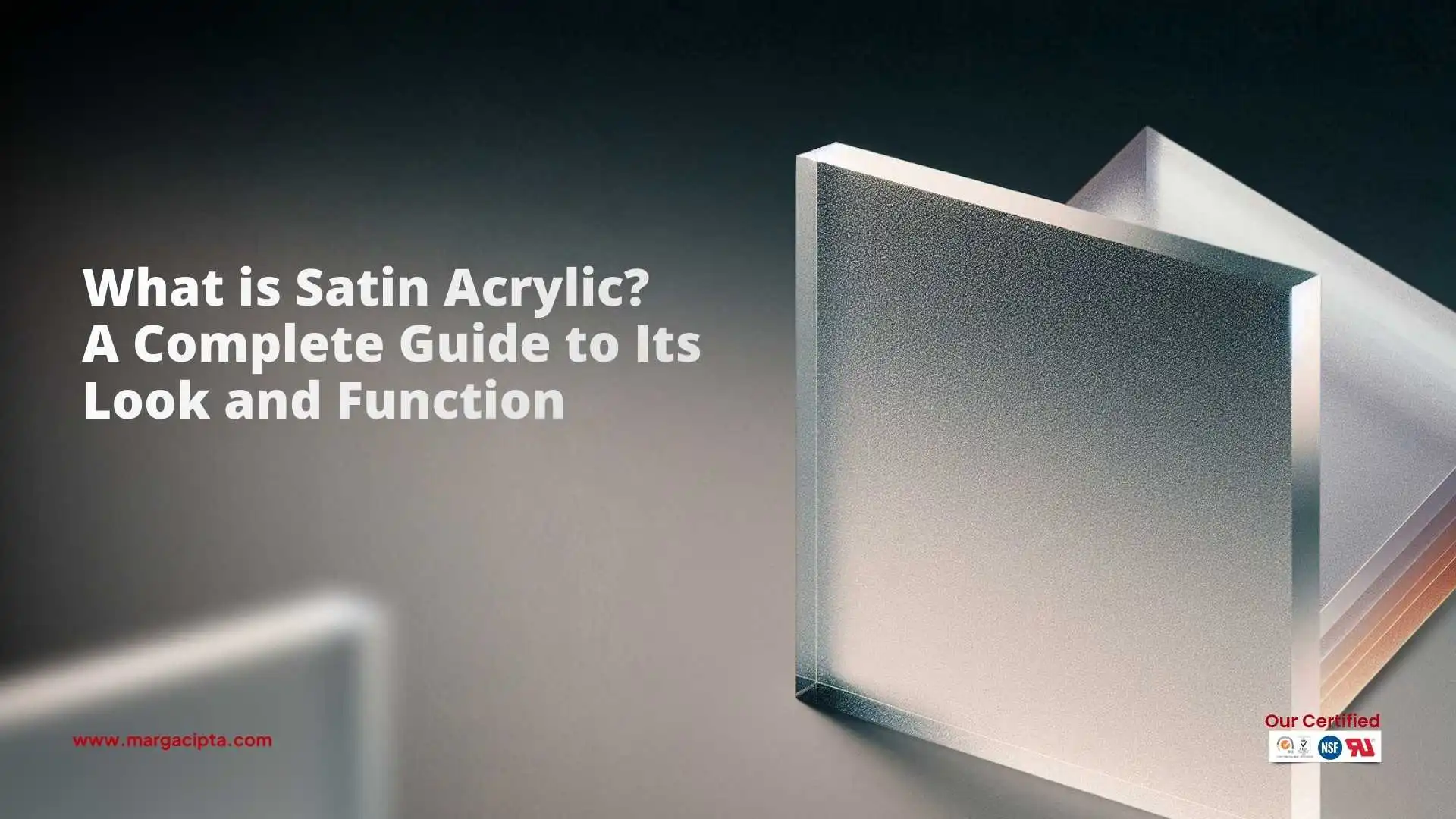
Satin acrylic is a type of acrylic sheet with a smooth matte surface that reduces glare while maintaining a clean and premium appearance.

It is commonly used for signage, interior design, displays, and decorative applications where a softer visual finish is preferred over high gloss.

Compared to standard glossy acrylic, satin acrylic provides a more subtle and elegant look while still offering the durability and fabrication flexibility of acrylic material.

What Makes Satin Acrylic Different?

The main difference between satin acrylic and regular acrylic lies in the surface finish.

Standard acrylic sheets usually have a glossy, reflective appearance. Satin acrylic, on the other hand, features a matte or low-sheen surface that diffuses light more evenly.

This creates:

  • Reduced reflections
  • Softer visual appearance
  • Better fingerprint resistance
  • More modern aesthetic

Because of these characteristics, satin acrylic is often selected for projects that require a premium and minimalistic look.

Read also: Best Acrylic Thickness for Ornaments: Size Guide for Perfect Results

Key Features of Satin Acrylic

Satin acrylic combines aesthetics with practical functionality.

Some of its main advantages include:

1. Reduced Glare

The matte surface helps minimize light reflection, making it suitable for brightly lit spaces.

2. Elegant Appearance

Its smooth satin finish creates a sophisticated and modern visual effect.

3. Better Fingerprint Resistance

Compared to glossy acrylic, fingerprints and smudges are less visible on satin surfaces.

4. Lightweight and Durable

Like other acrylic sheets, satin acrylic remains lightweight while offering good impact resistance.

Common Applications of Satin Acrylic

Satin acrylic is widely used across commercial and decorative industries.

Popular applications include:

  • Interior signage
  • Office branding panels
  • Decorative wall elements
  • Retail displays
  • Furniture accents
  • Partitions and privacy panels

Its clean appearance makes it especially popular for modern architectural and interior concepts.

Satin Acrylic vs Glossy Acrylic

Both materials offer unique advantages depending on the intended use.

Satin Acrylic

  • Matte appearance
  • Softer reflections
  • Premium minimal look
  • Better for modern interiors

Glossy Acrylic

  • Highly reflective finish
  • Stronger color vibrancy
  • More transparent appearance
  • Suitable for bold visual displays

The choice depends on whether the project prioritizes subtle elegance or vibrant visual impact.

Fabrication Compatibility

Satin acrylic sheets are compatible with various fabrication methods such as:

  • Laser cutting
  • CNC cutting
  • UV printing
  • Engraving

High-quality satin acrylic helps ensure:

  • Clean cutting results
  • Consistent surface texture
  • Better finishing quality

Proper handling during fabrication is important to preserve the matte surface appearance.

Read also: Best Acrylic Thickness for Plaque: Complete Guide for Durable Results

Why Material Quality Matters

Not all satin acrylic sheets deliver the same finish and consistency.

Premium-quality acrylic offers:

  • Uniform satin texture
  • Consistent thickness
  • Better durability during processing

For businesses and manufacturers, using high-quality materials helps improve production efficiency and final product appearance.

Marga Cipta supplies high-quality acrylic sheets in various finishes, including satin acrylic for fabrication and decorative applications.

Conclusion

Satin acrylic is an excellent material choice for projects that require a modern, elegant, and low-glare appearance.

With its matte finish, durability, and fabrication flexibility, satin acrylic is widely used for signage, interiors, and decorative applications. Choosing high-quality acrylic sheets helps ensure more professional and visually consistent results.

Ready to explore our cast acrylic options? At Margacipta Wirasentosa, we offer high-quality clear cast acrylic sheets from 100% virgin MMA in various thicknesses and custom sizes to fit your needs.

Reach out to our Instagram or download our Product Catalog for more information.

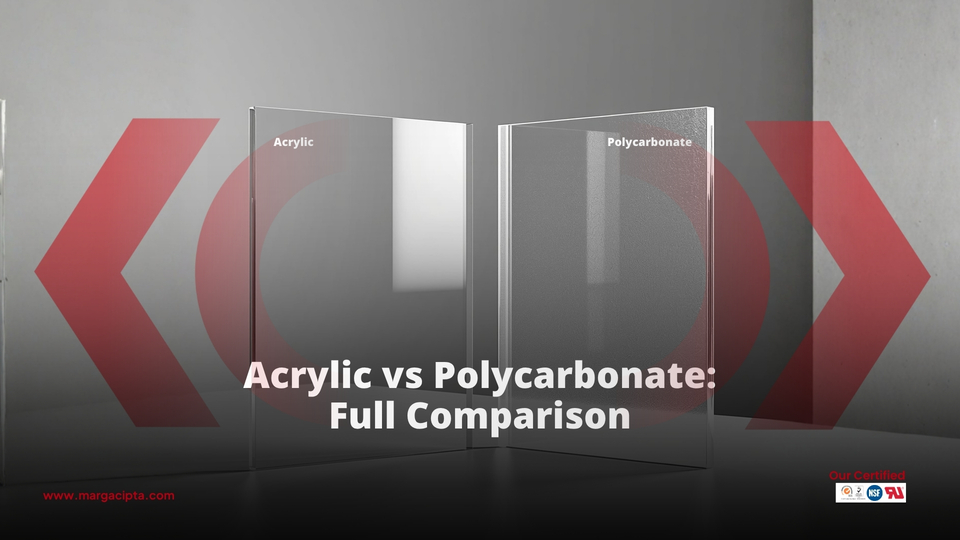
Acrylic vs Polycarbonate: Full Comparison

When choosing the right plastic material for your project, the debate between acrylic vs polycarbonate often comes up. 

Both materials are widely used in industries such as construction, signage, and manufacturing, but they have distinct characteristics that make them suitable for different applications.

Acrylic Versus Polycarbonate

Understanding their differences can help you make a more informed decision based on performance, durability, and cost.

1. Strength and Impact Resistance

One of the key differences between acrylic and polycarbonate lies in their strength, but for most applications, acrylic already offers more than enough durability.

Acrylic is a strong and rigid material, even stronger than glass in many cases, making it highly reliable for everyday use. Its solid structure allows it to maintain shape and stability, which is especially important for applications like displays, signage, partitions, and decorative panels.

While polycarbonate is often highlighted for its extreme impact resistance, this level of durability is typically only necessary for high-stress or industrial applications. For general commercial and design purposes, acrylic provides the ideal balance between strength and functionality.

Read also: How to Identify High-Quality Cast Acrylic Sheets

2. Clarity and Aesthetics

If visual clarity is your top priority, acrylic is the clear winner. Acrylic sheets offer exceptional optical clarity, often compared to glass, with a light transmission rate of up to 92%.

This makes it ideal for applications such as retail displays, aquariums, and architectural elements.

Polycarbonate is slightly less clear and may have a subtle haze. While still transparent, it does not provide the same premium look as acrylic.

3. Scratch Resistance

Acrylic has better natural scratch resistance compared to polycarbonate. This makes it more suitable for applications where surface appearance is important.

Polycarbonate, while stronger, is more prone to scratches and often requires additional coatings to maintain its appearance over time.

4. Weather and UV Resistance

Acrylic performs very well in outdoor environments. It has excellent UV resistance and does not yellow easily, making it a great choice for outdoor signage, skylights, and decorative panels.

Polycarbonate can also be used outdoors but usually requires UV coating to prevent yellowing and degradation over time.

5. Workability and Fabrication

Acrylic is easier to cut, polish, and thermoform. It provides clean edges and a glossy finish, making it a favorite for design-focused applications.

Polycarbonate is more flexible and harder to crack during fabrication, but it can be more challenging to achieve a polished, high-end finish.

Read also: Acrylic for Industrial Use: From Machine Guards to Safety Barriers

6. Cost Consideration

In general, acrylic is more affordable than polycarbonate. If budget is a key factor and extreme impact resistance is not required, acrylic is often the more cost-effective option.

Polycarbonate tends to be more expensive due to its superior strength and durability.

Conclusion

The choice between acrylic vs polycarbonate ultimately depends on your project needs. If you prioritize clarity, aesthetics, and cost-efficiency, acrylic is the better option. However, if impact resistance and durability are critical, polycarbonate is the superior material.

For most commercial and design applications, acrylic offers the best balance between performance and visual appeal.

Ready to explore your clear cast acrylic options? At Margacipta Wirasentosa, we offer high-quality clear cast acrylic sheets from 100% virgin MMA in various thicknesses and custom sizes to fit your needs.

Reach to our Instagram or download our Product Catalog for more information.

How Long Does Acrylic Last Outdoors? Lifespan, UV Resistance, and Maintenance

High-quality acrylic can last 10 to 20 years or more outdoors, depending on environmental conditions, material quality, and maintenance practices. Its excellent UV resistance and weather durability make acrylic one of the most reliable materials for outdoor applications.

From signage and architectural features to display systems, acrylic is commonly chosen for projects that require long-term performance in outdoor environments.

Why Acrylic Is Suitable for Outdoor Use

Acrylic is specifically valued for its ability to withstand exposure to sunlight, rain, humidity, and temperature fluctuations.

Unlike many plastics that become yellow or brittle over time, quality acrylic sheets are designed to maintain their clarity and structural integrity for years.

Key outdoor advantages include:

  • UV resistance
  • Moisture resistance
  • Lightweight structure
  • Good weather durability
  • Excellent optical clarity

These properties make acrylic a practical choice for exterior applications.

Read also: Types of Acrylic: Complete Guide to Different Acrylic Sheets and Their Uses

How Long Can Acrylic Last Outdoors?

The outdoor lifespan of acrylic depends on several factors.

In general:

  • Standard outdoor applications: 10-15 years
  • Premium UV-resistant acrylic: 15-20+ years
  • Protected outdoor environments: potentially longer

Many commercial signs and display systems continue performing well long after installation when proper materials and maintenance practices are used.

Understanding UV Resistance

One of acrylic's most important outdoor characteristics is its natural resistance to ultraviolet (UV) radiation.

Continuous sun exposure can damage many plastics, causing:

  • Yellowing
  • Cracking
  • Brittleness
  • Reduced transparency

High-quality acrylic sheets are designed to resist these effects, helping maintain their appearance and performance over time.

This is why acrylic is frequently used for:

  • Outdoor signage
  • Light boxes
  • Storefront displays
  • Protective panels
  • Architectural glazing

Factors That Affect Acrylic Lifespan

Several conditions can influence how long acrylic lasts outdoors.

1. Material Quality

Premium acrylic sheets generally offer better UV stability and weather resistance than lower-quality alternatives.

2. Climate Conditions

Areas with intense sunlight, high humidity, or extreme weather may place greater stress on outdoor materials.

3. Installation Quality

Proper support and installation help prevent unnecessary stress that can reduce material lifespan.

4. Maintenance Practices

Regular cleaning and proper care can significantly improve long-term performance.

How to Maintain Outdoor Acrylic

To maximize outdoor durability:

1. Use Acrylic-Safe Cleaners

Avoid harsh chemicals that can damage the surface or weaken the material.

2. Clean Regularly

Removing dirt and debris helps preserve clarity and appearance.

3. Inspect Periodically

Routine inspections can identify minor issues before they become significant problems.

4. Avoid Excessive Mechanical Stress

Proper installation and support help prevent cracking or warping over time.

Why High-Quality Acrylic Matters

The quality of the acrylic sheet often determines how well it performs outdoors.

Premium acrylic typically offers:

  • Better UV resistance
  • Longer lifespan
  • Improved clarity retention
  • Enhanced weather performance

Marga Cipta supplies high-quality acrylic sheets designed for both indoor and outdoor applications, helping businesses achieve durable and professional results.

Read also: Acrylic Cleaner Guide: Safe Liquids to Clean Acrylic Without Damage

Conclusion

So, how long does acrylic last outdoors? In most cases, high-quality acrylic can last between 10 and 20 years or more when properly installed and maintained.

Its UV resistance, weather durability, and excellent clarity make it a trusted material for outdoor signage, displays, and architectural projects. By choosing premium acrylic sheets and following proper maintenance practices, users can maximize both performance and lifespan.

Ready to explore our cast acrylic options? At Margacipta Wirasentosa, we offer high-quality clear cast acrylic sheets from 100% virgin MMA in various thicknesses and custom sizes to fit your needs.

Reach out to our Instagram or download our Product Catalog for more information.

Acrylic Ideas for Home Decor You'll Love

Beyond the usual tables and chairs, there are unique acrylic ideas for home decor you’ve never thought of, and they might just inspire your next project.

Looking for a way to refresh your home with a modern touch? Acrylic is a versatile material that blends durability with style, making it a perfect choice for interior design. 

Check some acrylic ideas that you might want to create. 

1. Acrylic Floating Shelves

Clear acrylic shelves create a sleek, minimalist look while making your walls appear more spacious. They’re perfect for displaying books, plants, or collectibles without adding visual clutter.

Read also: Things to Check Before Buying Acrylic

2. Acrylic Coffee Table with a Twist

Try a round or geometric-shaped acrylic coffee table to give your living room a modern, airy vibe. The transparency makes even small spaces feel larger.

3. Wall Art with Acrylic Panels

Acrylic sheets can be transformed into colorful, layered wall art. Add paint, prints, or engravings to create a bold statement piece that instantly upgrades your room.

4. Acrylic Frames for a Gallery Wall

Unlike traditional wooden frames, acrylic photo frames offer a contemporary edge. Use them to create a gallery wall that feels light, modern, and easy to update over time.

5. Acrylic Lamp Stands and Lighting

Acrylic is perfect for diffusing light softly, making it ideal for lamp bases or creative lighting fixtures. It adds a stylish glow to bedrooms, living rooms, or even workspaces.

Read also: Does Acrylic Shatter? Find Out Its Strength and Durability

6. DIY Acrylic Accessories

From key holders to desk organizers, acrylic can be cut and shaped into practical yet decorative accessories. These little touches add functionality while keeping the aesthetic chic.

7. Acrylic Plant Stands

Combine greenery with modern design by using acrylic plant stands. The transparent look highlights your plants while giving the illusion of floating pots.

Acrylic is more than just a modern material, it’s a design tool that can transform your home.

From shelves and furniture to wall art and accessories, these acrylic ideas for home decor will bring a fresh, stylish, and unique vibe to your space.

PT Margacipta Wirasentosa offers high-quality cast acrylic made from 100% virgin MMA, with NSF-certified options for food contact applications.